
Why River Sand Drying Needs a Rotary Dryer
River sand is widely used in construction materials, dry mortar, concrete production, road building, and other industrial applications. After dredging, washing, or natural storage, river sand usually contains moisture. If the moisture content is too high, it may cause sticking during conveying, unstable screening, difficult packing, higher transportation cost, and poor stockpile handling.
For some projects, natural air drying is not stable enough because drying conditions depend on weather, storage space, and production schedule. A rotary dryer for river sand drying provides a more continuous and controllable solution. It helps reduce sand moisture before screening, storage, packing, transportation, or further use.
A Rotary Drum Dryer is commonly used for river sand because the rotating drum keeps the material moving while hot air removes moisture from the sand. Compared with simple drying methods, it is more suitable for continuous industrial production and larger processing capacity.
At Staurk, Henan Staurk Machinery Co.,Ltd provides Drying and Calcination Equipment, sand processing equipment, and plant solutions for river sand, silica sand, mineral powder, clay, and other industrial materials. For river sand drying projects, we focus on matching the dryer with raw moisture, required final moisture, capacity, heat source, dust collection, and site conditions.
How a Rotary Dryer Works in River Sand Drying
A river sand rotary dryer usually works as part of a complete drying plant. The typical system may include feeding equipment, Belt Conveyor, rotary dryer, hot air furnace or burner, dust collection system, induced draft fan, discharge conveyor, and control cabinet.
Wet river sand is first sent into the dryer through a feeder or conveyor. The dryer drum is installed at a slight inclination, allowing the sand to move gradually from the inlet to the outlet. As the drum rotates, internal lifting plates lift and drop the sand repeatedly. This movement increases contact between the wet sand and hot air.
The heat source provides hot air for moisture evaporation. Depending on the project site, the fuel may be coal, natural gas, diesel, biomass, or other available energy sources. During the drying process, moisture is removed from the river sand, and the dried material is discharged from the outlet.
If the river sand comes from a washing process, it may first pass through a Screw Sand Washer to remove mud and impurities. In many projects, a Dewatering Screen can also be used before drying to reduce free water and lower fuel consumption. After drying, the material may be sent to a Vibrating Screen for size classification, then moved to storage or packing.
Dust collection should also be considered. Dry river sand can generate fine dust during discharge, conveying, or screening. A cyclone dust collector, bag filter, fan, and air duct system may be used according to material condition and environmental requirements.
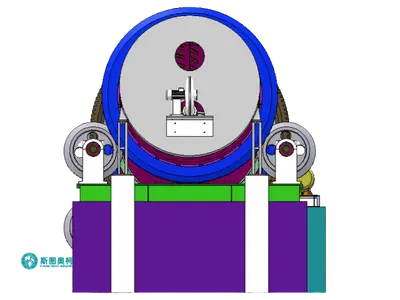
Key Factors When Selecting a Rotary Dryer for River Sand
When selecting a rotary dryer for river sand drying, buyers should first confirm the raw sand condition. Important details include initial moisture content, required final moisture, feed size, mud content, and processing capacity. River sand from different sources may have different moisture levels and impurity conditions, so the dryer should be selected based on actual material data rather than only the material name.
Capacity should also be discussed clearly. Buyers need to confirm whether the required capacity refers to wet sand input or dry sand output. Since moisture removal changes the final production volume, raw moisture, final moisture, working hours per day, and downstream equipment capacity should be considered together.
The heat source is another key factor. Fuel availability, operating cost, site layout, and local environmental requirements will influence the drying solution. A stable heat supply helps keep final moisture more consistent and supports continuous operation.
The complete process should also be considered. For washed river sand, dewatering before drying may reduce fuel consumption. For dry mortar or packing applications, screening and storage after drying may be required. The dryer, conveyor, dust collector, fan, and downstream equipment should be matched as one system.
Rotary Dryer in a River Sand Drying Plant
In a complete river sand drying plant, the rotary dryer is usually installed after feeding, washing, or dewatering equipment. If the sand contains high mud content, washing may be needed before drying. If the sand contains too much free water after washing, dewatering can help improve drying efficiency.
A common process may include feeding, washing, dewatering, conveying, drying, dust collection, screening, storage, and packing. Not every project needs all these steps. The final configuration depends on raw sand condition, final product use, production capacity, available fuel, and site layout.
For construction sand, the main goal may be reducing surface moisture for easier handling and transportation. For dry mortar sand, moisture control and particle size classification may be more important. For bagged sand products, stable moisture and smooth packing are usually key concerns.
This is why the rotary dryer should not be selected as a single isolated machine. A well-matched river sand drying system can help reduce fuel waste, avoid material blockage, improve final moisture stability, and support smoother downstream production.
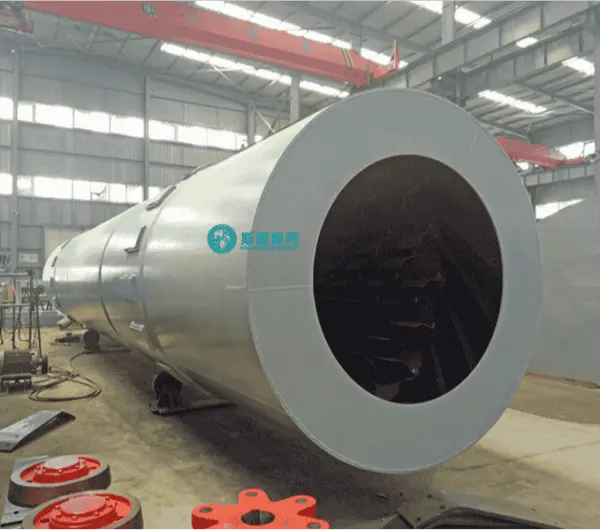
How Staurk Helps with River Sand Dryer Selection
Before recommending a rotary dryer for river sand drying, Staurk usually needs to understand the raw sand type, initial moisture content, required final moisture, feed size, processing capacity, mud content, available heat source, installation site, dust collection requirement, and downstream process.
Based on these details, Staurk can help recommend a suitable river sand rotary dryer and related equipment. Some customers may only need one dryer to upgrade an existing drying section. Other projects may require a complete river sand drying plant with feeding system, washing equipment, dewatering equipment, belt conveyor, hot air system, rotary dryer, dust collector, fan, screening equipment, storage silo, and packing system.
For sand producers, construction material suppliers, EPC contractors, and equipment distributors, this process-based selection can help avoid equipment mismatch and provide a more practical drying solution.
Conclusion
A rotary dryer for river sand drying is used to reduce moisture and prepare river sand for screening, storage, packing, transportation, or industrial use. It is especially useful when natural drying is unstable or when the project requires continuous production.
When selecting a river sand rotary dryer, buyers should consider raw moisture, final moisture, capacity, mud content, heat source, dewatering, dust collection, site layout, and downstream process. Choosing only by drum size or price may lead to unstable moisture, high fuel consumption, dust problems, or poor plant matching.
If you are planning a river sand drying project, it is better to evaluate the rotary dryer as part of the complete process flow. A suitable drying system should match both the material condition and the final product requirement.
If you need a rotary dryer for river sand drying, Staurk can help review your project requirements and recommend a practical drying solution. Please share your river sand type, initial moisture content, required final moisture, feed size, mud content, processing capacity, available heat source, installation site condition, dust collection requirement, and downstream process. Based on these details, Henan Staurk Machinery Co.,Ltd can provide a suitable river sand rotary dryer recommendation and river sand drying plant solution.