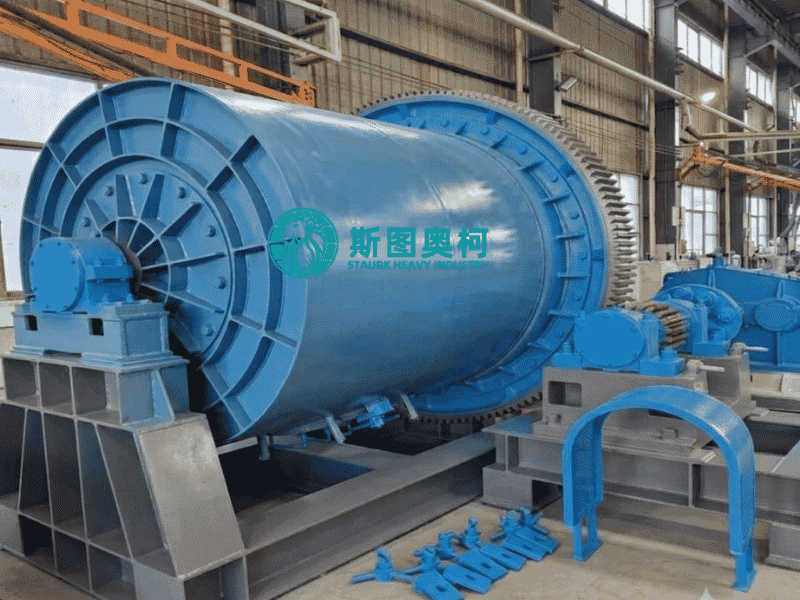
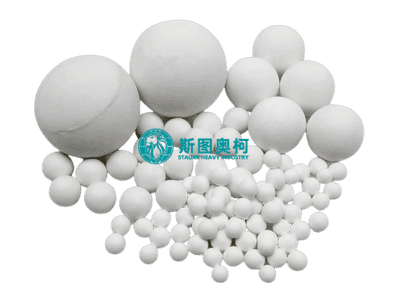
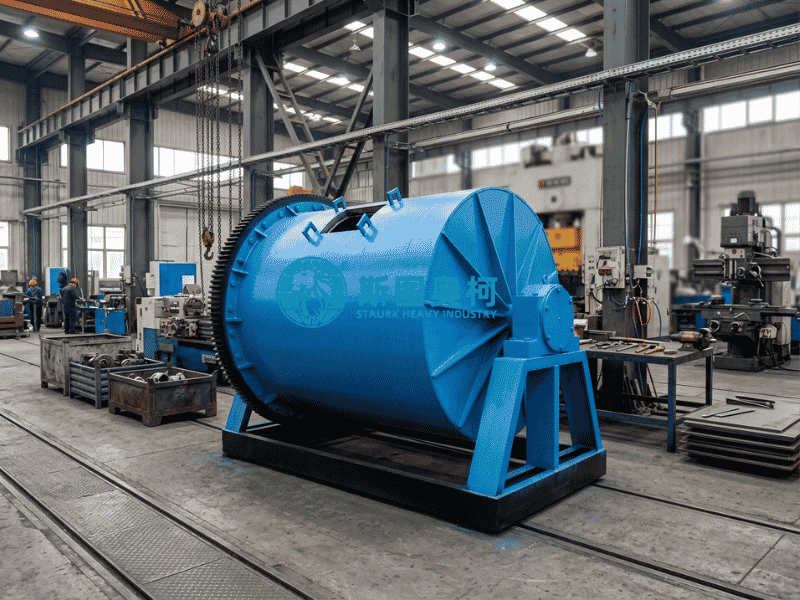
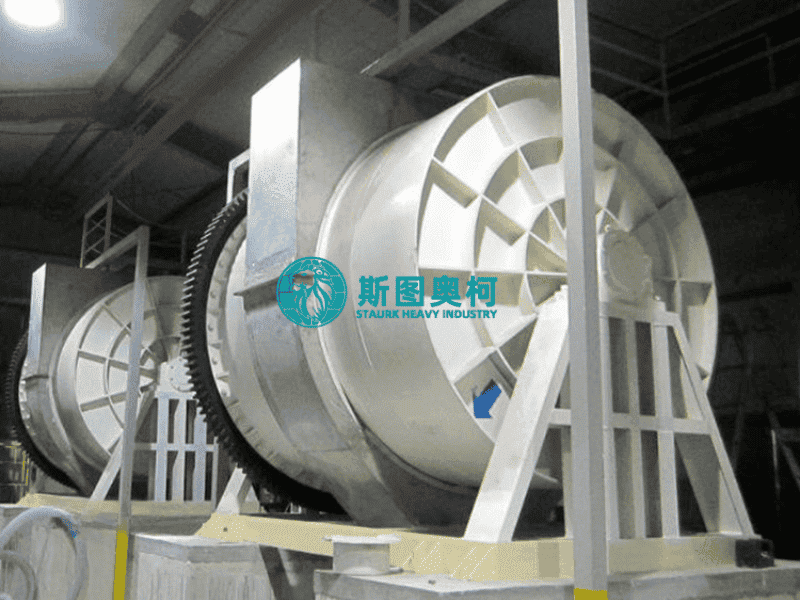
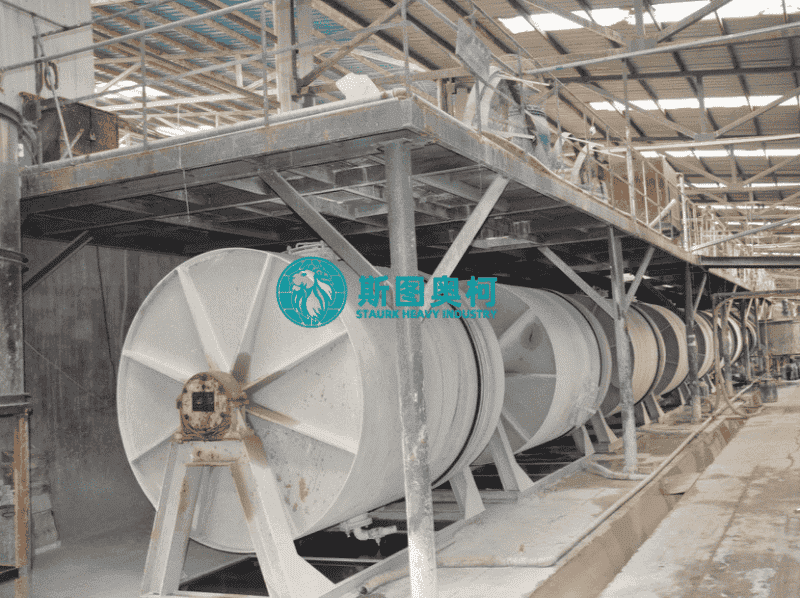
Capacity: 0.05 -15t/batch Feeding Size: ≤25mm Discharging Size: 0.074-0.4mm Handling Materials: It is primarily used for grinding materials that require high purity and must not be contaminated by iron, such as feldspar, quartz, clay, ceramic raw materials, kaolin, and silica.
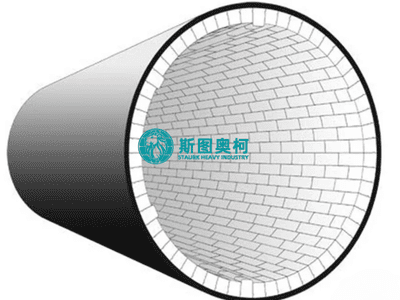
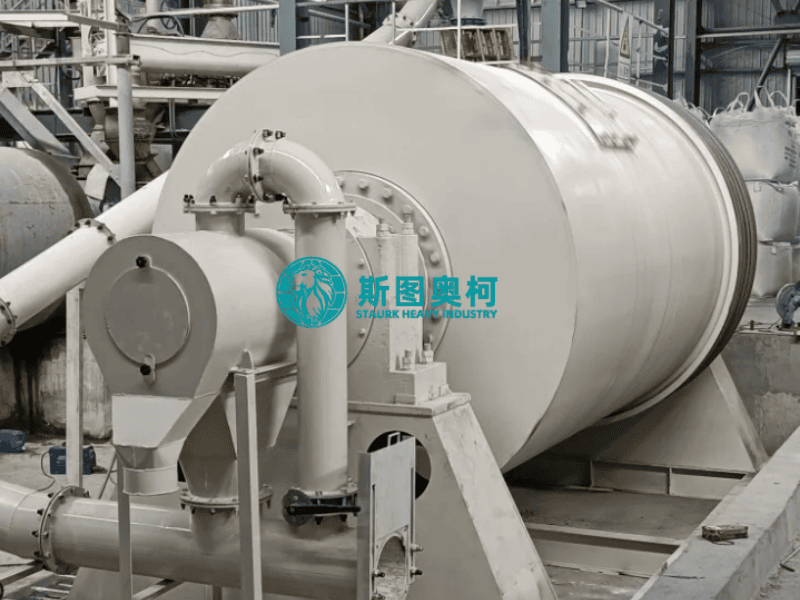
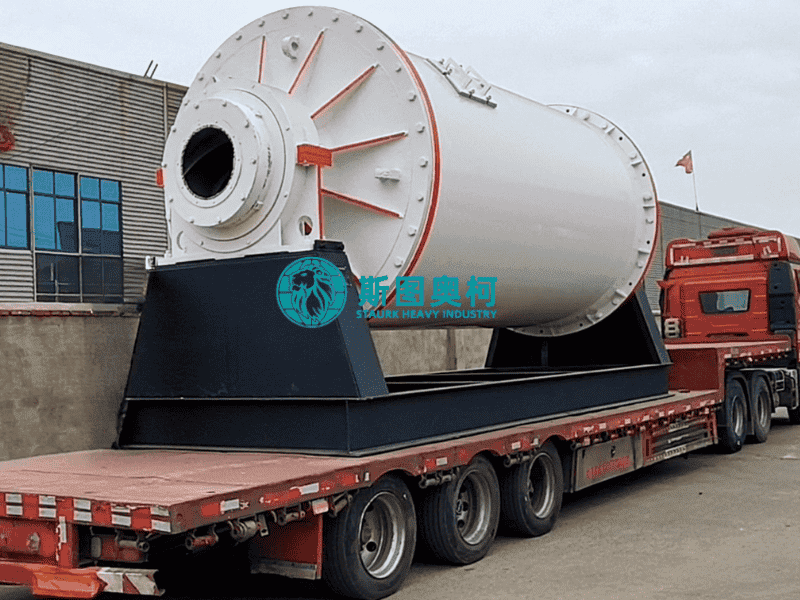
The ceramic ball mill is an energy-efficient grinding machine featuring ceramic liners as a core component. Its primary advantages include the absence of iron contamination during the grinding process and high product purity; it supports both dry and wet grinding operations and is widely suitable for various applications requiring high material purity.
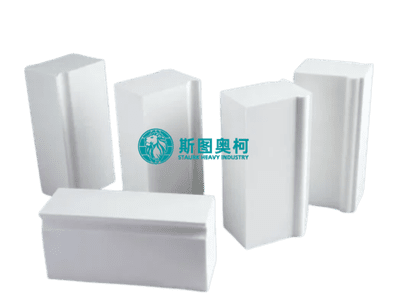
Ceramic liners and grinding media ensure that no iron impurities are introduced during the grinding process, guaranteeing high product purity and color quality.
02.
Controllable product fineness
The grinding produces uniform fineness, which can be adjusted by controlling the grinding time, offering high flexibility.
03.
Energy-efficient and stable operation
Rolling bearings are used to minimize starting resistance and ensure smooth operation. The compact structure saves installation space.
04.
Easy maintenance
The design is simple and reliable, making it easy to replace wear parts such as liners, thereby reducing maintenance costs.
The working principle of the Ceramic Ball Mill
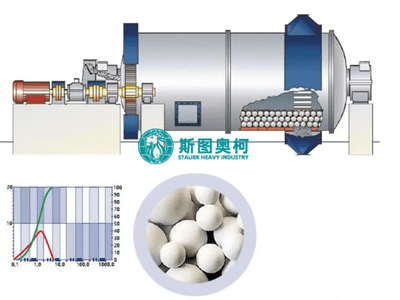
1.Power Drive: The motor rotates the drum horizontally via a reduction system.
2.Media Elevation: Drum rotation lifts internal ceramic balls and materials along the liners via friction and centrifugal forces.
3.Impact & Grinding: At peak height, gravity causes the balls to fall. Descending balls crush large chunks via high impact, while their rolling and sliding action provides intensive grinding to refine the powder.
4.Discharge & Recirculation: Fine powder evacuates through the discharge. In continuous systems, oversized particles are separated by a classifier and routed back for regrinding, forming a closed-loop circuit.