
Crushing Is Not Finished Without Screening
In a gold processing plant, crushing is not only about reducing large rocks into smaller pieces. The more important goal is to prepare a suitable and stable feed size for the grinding section. If the crushed ore size is not controlled properly, the ball mill may receive too much oversized material, which can reduce grinding efficiency and increase wear.
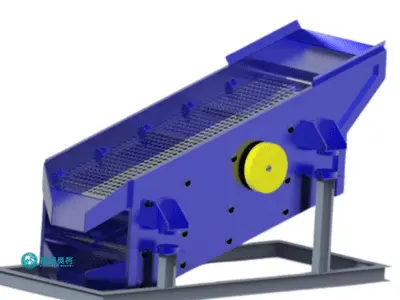
This is why a vibrating screen is often used after primary or secondary crushing. It helps separate qualified crushed ore from oversized particles. Qualified material can move to the fine ore bin or grinding section, while oversized material returns to the crusher for further crushing.
For rock gold projects, this step is especially important. Gold ore often contains hard quartz, uneven rock sizes, and abrasive minerals. Without proper screening, the crushing section may look simple, but the grinding section may face more problems later.
At Staurk, Henan Staurk Machinery Co.,Ltd provides crushing, screening, grinding, and mineral processing equipment for gold ore processing plants. For gold ore projects, we usually evaluate the vibrating screen together with the crusher, conveyor, ball mill, and downstream beneficiation process.
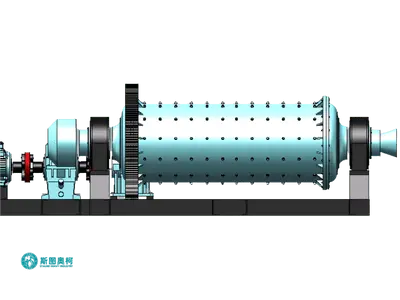
What Happens If Oversized Ore Enters the Ball Mill?
The ball mill is designed for grinding, not for handling large and uneven rock pieces. If oversized gold ore enters the mill, the grinding process may become less stable. The mill may need more time and energy to reach the required particle size, and the grinding media and liners may wear faster.
Oversized material can also cause uneven slurry preparation. In some cases, part of the ore may still be too coarse after grinding, which affects mineral liberation. If gold particles are not properly liberated from gangue minerals, gravity separation, flotation, or leaching may not perform as expected.
This does not mean the screen alone improves gold recovery. The real value of screening is process control. By keeping the feed size more consistent before grinding, the whole gold processing plant can operate more smoothly.
For this reason, a vibrating screen in a gold ore crushing plant should not be seen as an optional accessory. It is often an important part of the crushing and grinding preparation stage.
Where a Vibrating Screen Fits in the Gold Ore Process
A common gold ore process may include feeding, primary crushing, secondary crushing, screening, grinding, classification, and beneficiation. The vibrating screen is usually installed after crushing and before the fine ore bin or ball mill.
In a simple crushing circuit, raw gold ore may first enter a jaw crusher. After primary crushing, the material can be sent to a vibrating screen. Qualified particles pass through the screen and move to the next stage. Oversized particles are sent back to the crusher or to a secondary crusher.
For harder ore or larger capacity projects, the crushing section may include a jaw crusher, cone crusher, vibrating screen, and belt conveyors. In this type of closed-circuit crushing process, the vibrating screen helps control the final crushed ore size before grinding.
This layout is useful because grinding is usually more energy-intensive than crushing. If the crushing and screening section prepares a better feed size, the ball mill can work under more stable conditions.
When Should a Gold Plant Use a Vibrating Screen?
A gold ore crushing plant should consider using a vibrating screen when the feed size is uneven, the crusher discharge contains too much oversized material, or the ball mill requires a more controlled feed size.
Screening is also useful when the plant needs a closed crushing circuit. In this process, material that does not meet the required size returns to the crusher, while qualified material moves forward. This helps avoid sending unnecessary coarse particles to grinding.
The screen selection should match the actual process. Buyers need to consider crusher output size, required screening size, processing capacity, ore moisture, abrasiveness, and site layout. If the screen opening, screen area, or conveyor connection is not suitable, the screening section may become a bottleneck.
For gold ore with high moisture or clay content, screening efficiency may decrease. In this case, the process may need to be reviewed carefully before selecting the screen type and layout.
What Project Information Should Buyers Confirm?
Before choosing a vibrating screen for a gold ore crushing plant, buyers should confirm several basic details. These include raw ore type, maximum feed size, crusher discharge size, required screen size, processing capacity, working hours, moisture condition, and downstream grinding requirement.
It is also important to know whether the screen will work after primary crushing or secondary crushing. The position of the screen affects screen size, conveyor layout, return material flow, and the overall crushing circuit.
For a new gold processing plant, the vibrating screen should be selected together with the crusher and ball mill. For an existing plant upgrade, the current problem should be identified first. For example, the plant may be facing oversized feed to the mill, unstable crusher output, screen blockage, or low screening efficiency.
Staurk can help review these project details and recommend a practical crushing and screening configuration according to the actual ore condition and plant requirement.
Conclusion
Using a vibrating screen before gold ore grinding helps control the crushed ore size and reduce oversized material entering the ball mill. This can support more stable grinding, smoother slurry preparation, and better process control in the gold processing plant.
For buyers, the key is not only to choose a screen machine, but to match the screen with the crusher, conveyor, grinding equipment, and beneficiation process. A suitable screening system can help reduce unnecessary problems in the grinding section.
If you are planning a rock gold processing plant or upgrading an existing crushing line, it is better to evaluate the vibrating screen as part of the complete crushing and grinding process.
If you need a vibrating screen before gold ore grinding, Staurk can help review your process requirements and recommend a suitable equipment solution. Please share your raw ore type, crusher output size, required screening size, processing capacity, moisture condition, site layout, and downstream grinding process. Based on these details, Henan Staurk Machinery Co.,Ltd can provide a practical vibrating screen recommendation for your gold processing plant.