
What Is a Dewatering Screen?
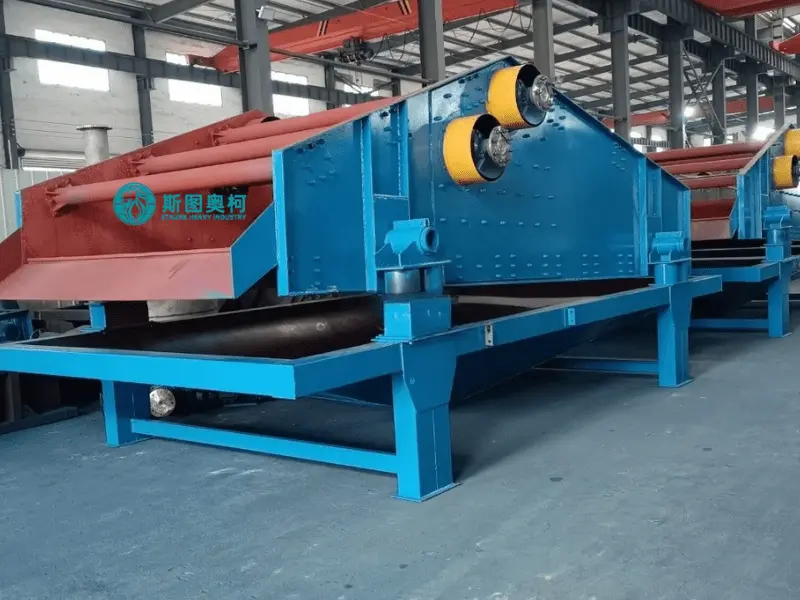
A dewatering screen is a screening machine used to reduce moisture from washed sand, fine aggregate, or mineral materials. In a sand washing plant, it is usually installed after the sand washer to remove excess water and improve the final sand condition before conveying, stockpiling, or transportation.
After river sand, natural sand, or crushed sand is washed, the material often contains a high amount of surface water. If the sand is discharged directly without dewatering, it may be difficult to transport, store, or sell as finished material. High moisture can also cause handling problems, water loss, and unstable stockpile conditions.
A dewatering screen for sand washing plant applications is designed to separate water from wet sand through vibration and screen surface movement. It does not replace the sand washer. Instead, it works as a key supporting machine after washing to improve the final product condition.
At Staurk, Henan Staurk Machinery Co.,Ltd provides sand washing and dewatering equipment for river sand, natural sand, crushed sand, aggregate, and mineral washing projects. For sand washing plants, we focus on matching the dewatering screen with the washer, material condition, capacity, water system, and final sand requirement.
How a Dewatering Screen Works
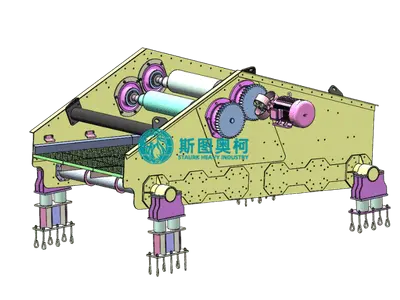
In a typical sand washing and dewatering process, wet sand is discharged from a screw sand washer, wheel sand washer, or hydrocyclone system and then enters the dewatering screen. The screen vibrates at a suitable frequency and angle, allowing water to pass through the screen surface while sand moves forward to the discharge end.
During this process, the screen surface helps retain sand particles while removing part of the free water. The separated water can be collected and sent to a settling pond, water recycling system, or other treatment equipment, depending on the plant design.
The dewatering effect depends on several factors, including sand particle size, feed concentration, screen area, vibration condition, screen panel type, and the amount of water in the material. For fine sand or materials with high mud content, the dewatering result may also be affected by upstream washing and classification equipment.
A dewatering screen usually works together with feeding equipment, sand washing machine, water recovery system, conveyor, and stockpiling system. For this reason, it should be selected as part of the full sand washing plant equipment layout, not only as a single machine.
Key Factors When Selecting a Dewatering Screen
When selecting a dewatering screen for sand washing plant projects, the first thing to consider is the material condition. River sand, natural sand, crushed sand, and fine aggregate may have different particle sizes, mud content, and moisture levels. These details affect screen panel selection, processing capacity, and final dewatering performance.
Capacity should also be matched carefully. Buyers need to clarify the expected tons per hour, material size range, water content, and whether the screen is used after a screw sand washer, wheel sand washer, or hydrocyclone system. If the dewatering screen is too small for the washing line, the material may accumulate, discharge unevenly, or fail to reach the expected moisture condition.
The required final moisture is another practical factor. In many sand washing projects, the goal is not to make the sand completely dry, but to reduce excess water so the material can be conveyed, stacked, transported, or further processed more easily. The final effect depends on both equipment configuration and raw material characteristics.
Site layout and water treatment should also be considered. The dewatering screen should be placed in a position that allows smooth feeding, water collection, sand discharge, and conveyor connection. If the project needs water recycling, the dewatering screen should be matched with the settling pond or water recovery system from the beginning.
Dewatering Screen in a Sand Washing Plant
In a complete sand washing plant, the dewatering screen is usually used after washing and before stockpiling. A common process may include feeding, screening, sand washing, dewatering, conveying, and water recycling.
For river sand washing, the sand may first pass through a vibrating screen to remove oversized material. Then it enters a screw sand washer or other washing equipment to remove mud, clay, and impurities. After washing, the wet sand is sent to the dewatering screen to reduce excess water before being discharged to a belt conveyor or stockpile.
For crushed sand or manufactured sand projects, the dewatering screen may be used together with a fine sand recovery system to reduce material loss and improve final sand quality. The exact configuration depends on the feed material, water condition, required product size, and project capacity.
A properly matched dewatering screen can help improve sand handling, reduce water carried by the finished product, and support more stable plant operation. However, it should be selected together with the sand washer and water system, not only by screen size or price.
How Staurk Helps with Dewatering Screen Selection
Before recommending a dewatering screen, Staurk usually needs to understand the raw material type, particle size range, mud content, processing capacity, upstream washing equipment, water condition, final moisture requirement, and site layout.
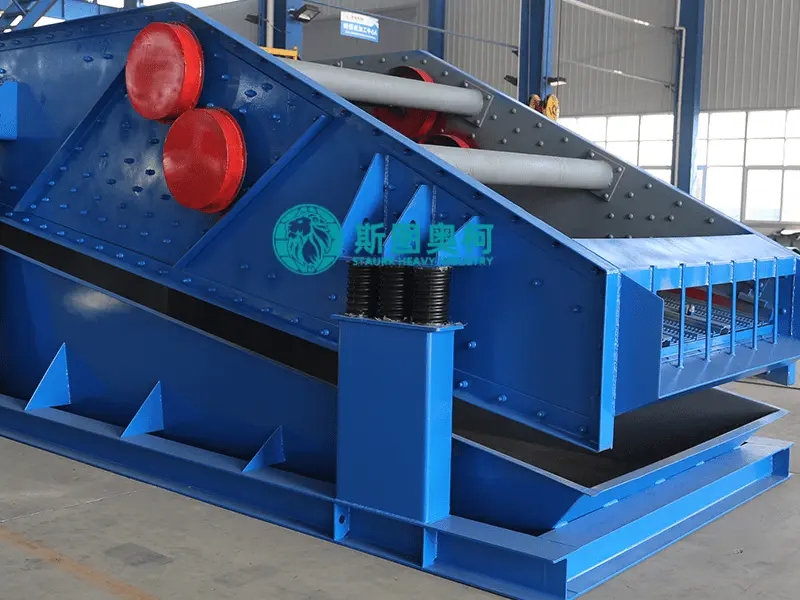
Based on these details, Staurk can help recommend a suitable sand dewatering screen and related equipment. Some customers may only need one dewatering screen to upgrade an existing sand washing line. Other projects may require a complete sand washing and dewatering solution with feeder, vibrating screen, screw sand washer, dewatering screen, belt conveyor, and water recycling system.
For mining companies, aggregate producers, construction material suppliers, EPC contractors, and equipment distributors, this process-based selection can help avoid equipment mismatch and improve the operation of the whole sand washing plant.
Conclusion
A dewatering screen is an important machine in a sand washing plant. It helps reduce excess water from washed sand and improves the final material condition for conveying, stockpiling, transportation, or further processing.
When selecting a dewatering screen, buyers should consider raw material type, particle size, water content, mud content, processing capacity, upstream washing equipment, site layout, and final moisture requirement. Choosing only by price or screen size may lead to poor dewatering effect, unstable discharge, or mismatch with the washing line.
If you are planning a sand washing plant or upgrading an existing washing system, it is better to evaluate the dewatering screen together with the full process flow. A suitable washing and dewatering system can help improve sand quality, reduce handling problems, and support more stable production.
If you need a dewatering screen for sand washing plant applications, Staurk can help review your project requirements and recommend a practical solution. Please share your raw material type, particle size, mud content, processing capacity, upstream washing equipment, water condition, required final sand moisture, and site layout. Based on these details, Henan Staurk Machinery Co.,Ltd can provide a suitable dewatering screen recommendation and sand washing plant solution.