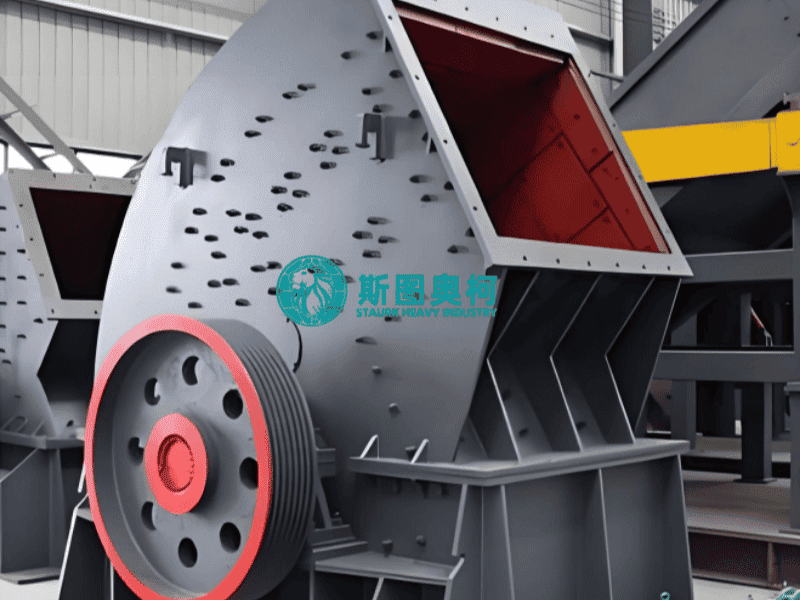
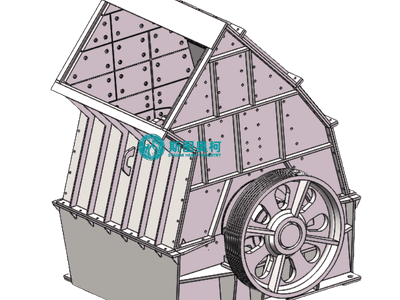
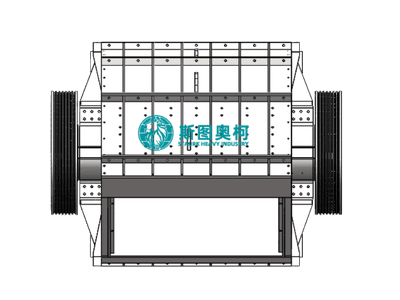
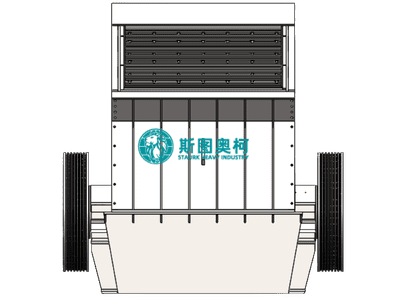
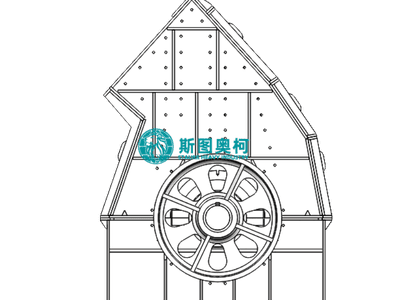
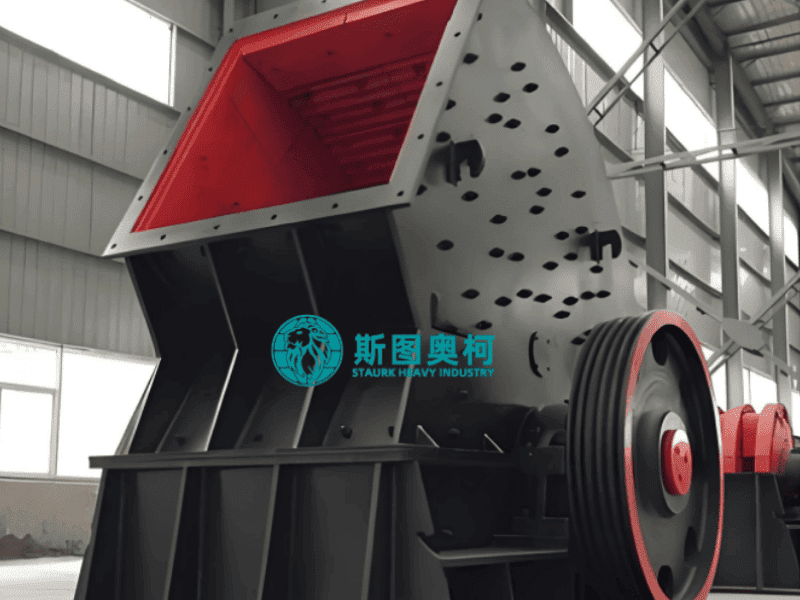
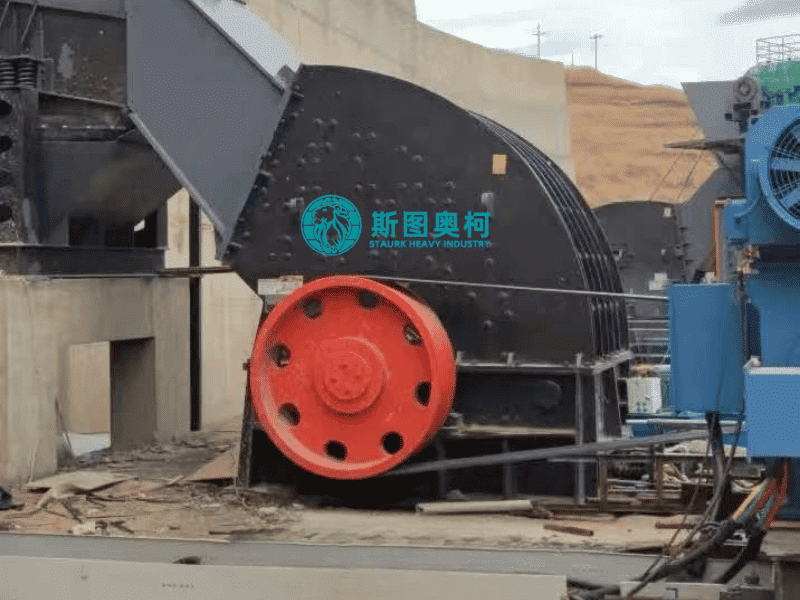
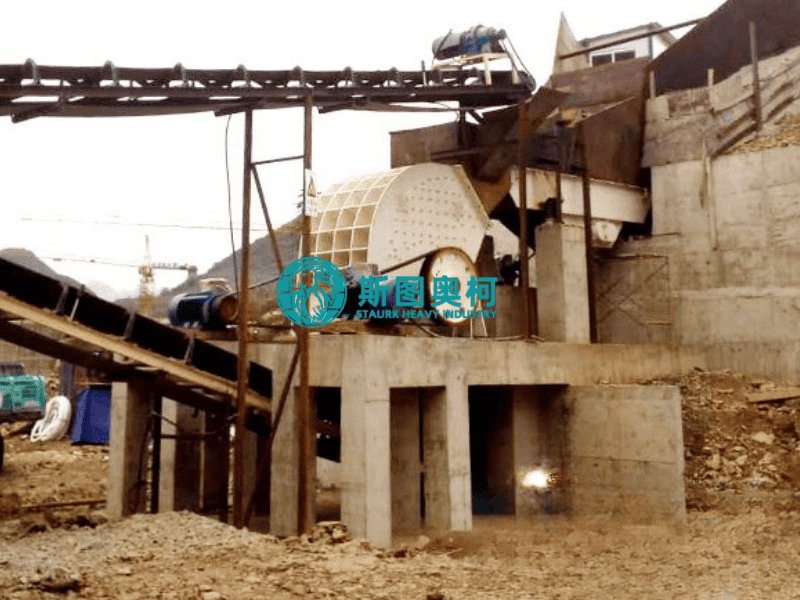
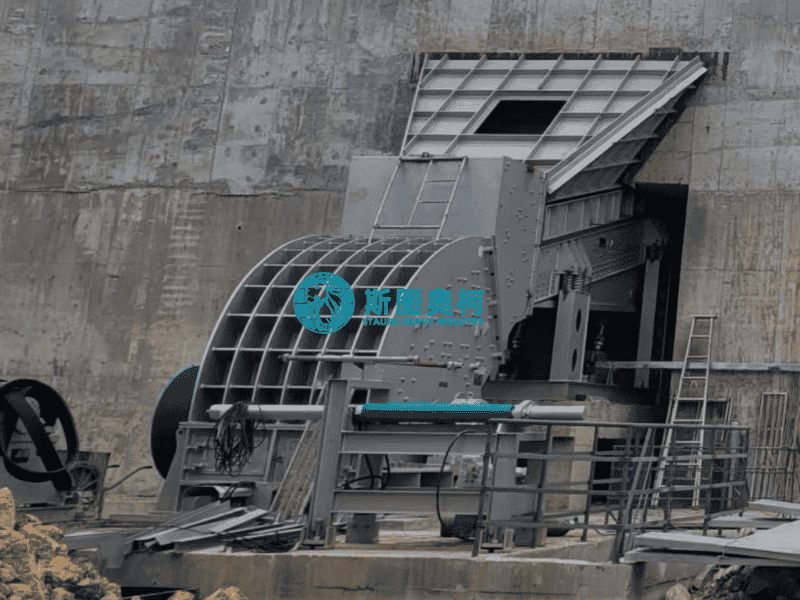
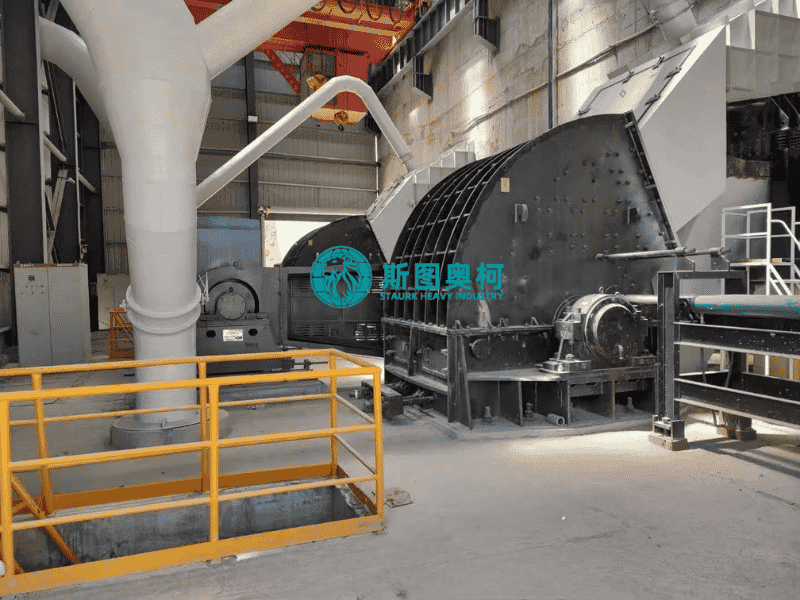
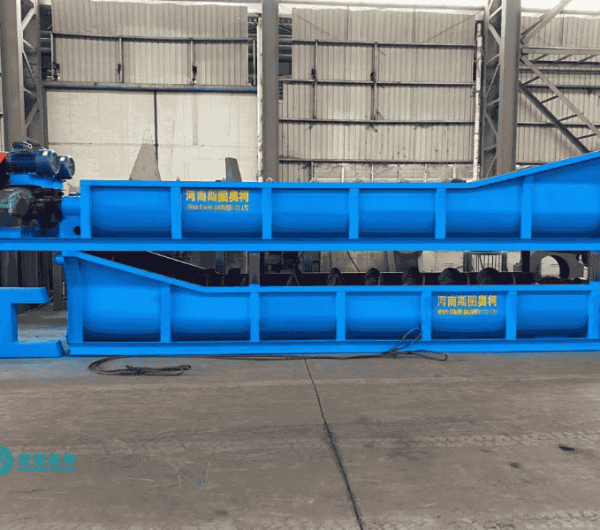
The hammer crusher is a piece of equipment that breaks down materials through impact; it is widely used in industrial sectors such as cement, chemicals, electric power, metallurgy, and construction materials. Its core operating principle involves a high-speed rotating rotor driving hammerheads to strike, impact, shear, and grind the material entering the crushing chamber, thereby achieving size reduction.
Typically ranges from 10 to 25—or even higher for heavy-duty hammer crushers—allowing for a simplified crushing process.
02.
High production efficiency
Low energy consumption per unit of output and high production capacity.
03.
Simple structure
Compact design, relatively easy maintenance, and straightforward spare part replacement.
04.
Improved particle shape
Especially with heavy-duty and reversible hammer crushers, the finished product is predominantly cubic with a low content of flaky or elongated particles.
How Does A Hammer crusher Work?
The electric motor drives the rotor to rotate at high speed within the crushing cavity. Material is fed uniformly through the upper inlet, undergoing initial crushing via powerful impacts from the fast-moving hammers. Simultaneously, the material gains kinetic energy, hurling toward the frame's impact plates and screen bars (grates) for secondary impact and mutual attrition.
Qualified Discharge: Particles smaller than the screen mesh size pass through the screen plate and are discharged from the machine.
Continuous Crushing: Oversized coarse materials are retained on the screen plate, where they undergo further hammering and grinding until they reach the required particle size for final discharge.