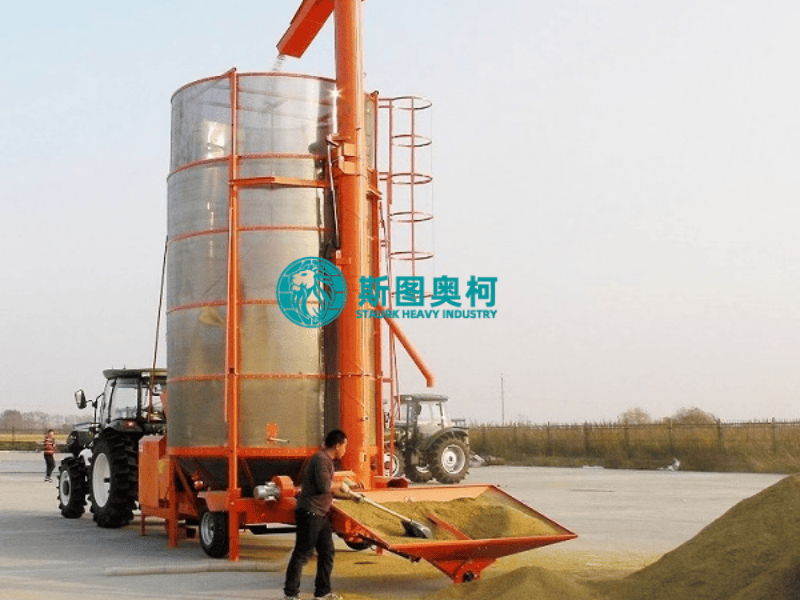
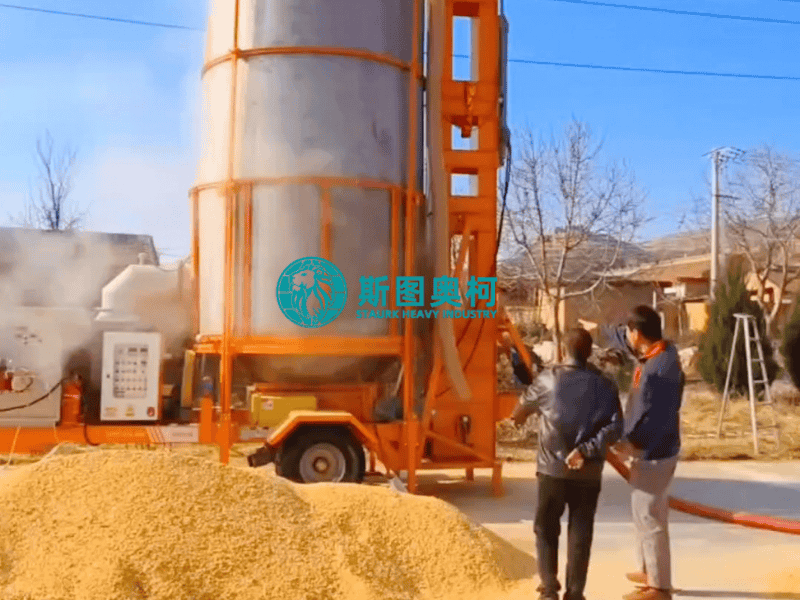
Capacity: 1-80 tons per batch Moisture Reduction: Removes 0.6–1.8% moisture per hour Heat Source Options: Diesel, natural gas, biomass, or electric heating Handling Materials: Corn, wheat, rice, soybeans, barley, sunflower seeds,etc.
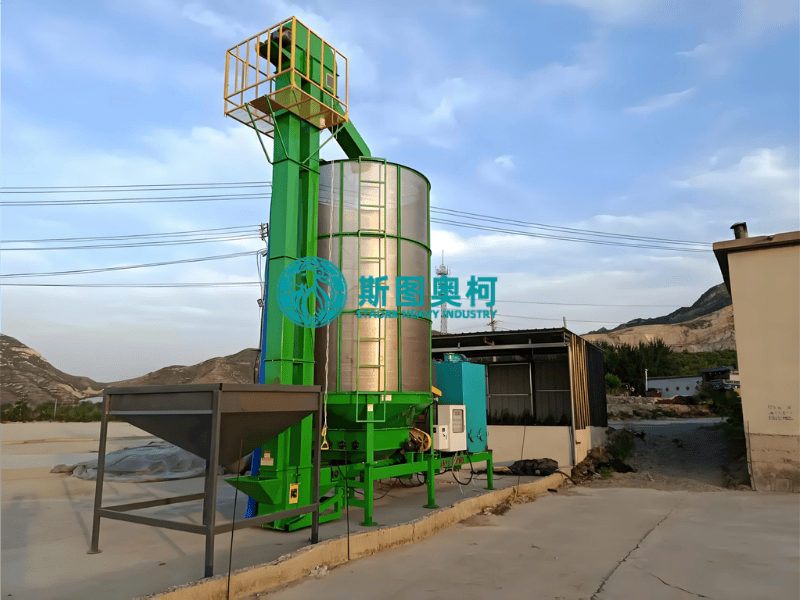
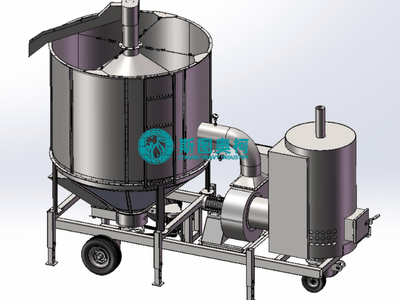
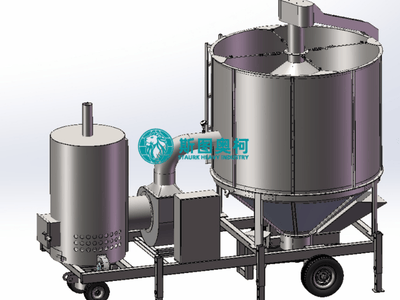
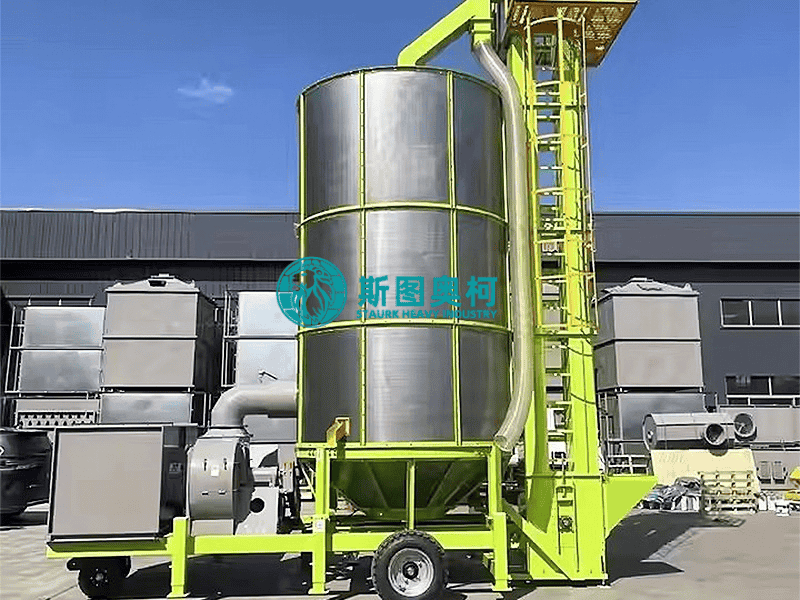
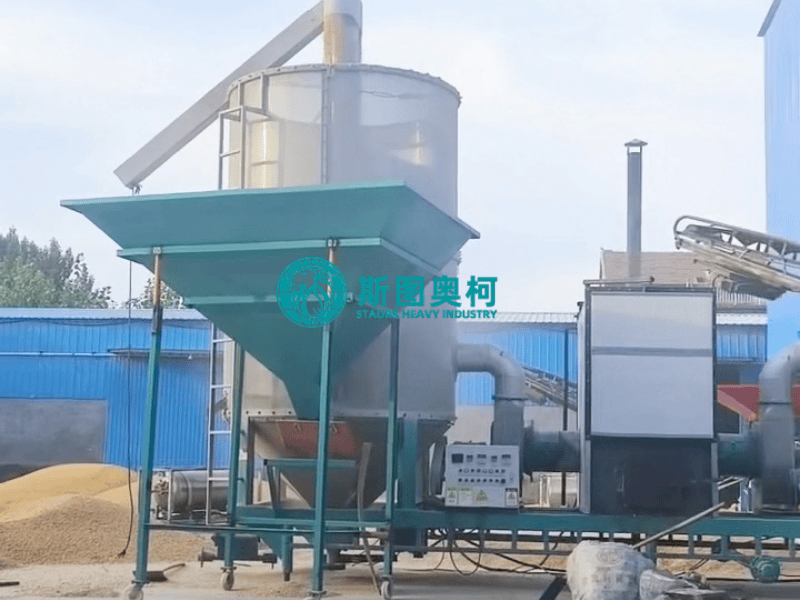
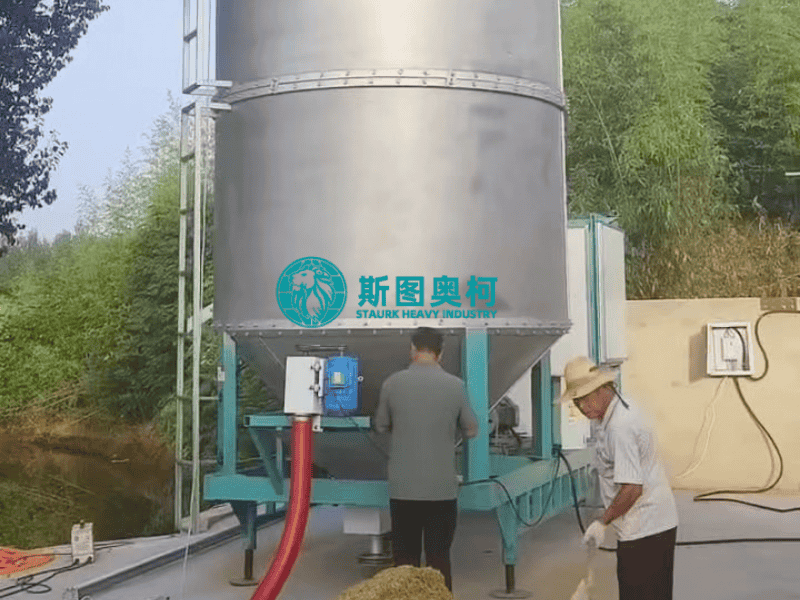
The mobile grain dryer is designed for on-farm and field-side grain drying. It allows farmers to harvest earlier, reduce post-harvest losses, and achieve optimal grain moisture content for safe storage. Its mobility makes it ideal for use across multiple locations or for emergency drying during wet harvest seasons. Suitable for small to medium-scale farming operations and grain collection stations.
Easily towed by truck or tractor, allowing on-site drying at multiple locations or fields.
02.
Fast Drying
Removes moisture quickly (0.6–1.8% per hour), enabling earlier harvest and reduced losses.
03.
Grain Quality Protection
Uniform airflow and gentle recirculation prevent overheating, cracking, or spoilage.
04.
Fuel Flexibility
Compatible with diesel, natural gas, biomass, or PTO drive, adapting to local energy sources.
How Does A Mobile Grain Dryer
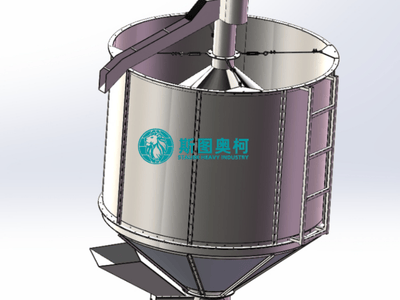
1.Loading and Circulation: Wet grain is loaded into the dryer's hopper and then lifted to the top of the drying chamber via a bucket elevator. Inside the chamber, the grain flows downward slowly by gravity between specially designed louvers or columns, ensuring continuous and uniform circulation throughout the drying process .
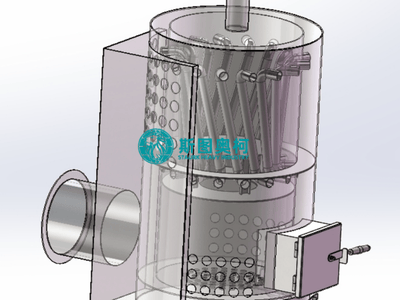
2.Heating and Airflow: A burner (fueled by diesel, natural gas, or biomass) heats the air to a controlled temperature (typically 60°C – 120°C). A powerful fan blows this hot air into the drying chamber, where it passes through the grain layer, absorbing moisture from the kernel surfaces .
3.Moisture Removal and Tempering: As the hot air travels through the grain, it evaporates surface moisture and carries it out through exhaust vents. To prevent over-drying and cracking, most dryers incorporate a tempering stage, where the grain rests briefly to allow internal moisture to migrate to the surface before the next drying cycle .
4.Discharge and Cooling: Once the grain reaches the target moisture content (set via an automatic control panel), it is discharged from the bottom of the dryer. Some models include an integrated cooling section where ambient air is blown through the grain to lower its temperature before storage, ensuring safe long-term preservation.